
Bridges
Traditional, cantilever and Maryland bonded
Replacing a missing tooth
A bridge is one of the few options you have when deciding how to deal with a missing tooth or teeth. Replacing missing teeth is necessary to maintain proper mouth function, because tooth loss can affect the way you eat and speak, and the alignment of the other teeth in your mouth. A bridge, by definition, is a link or connection between two permanent structures. A dental bridge works the same way: it attaches the replacement teeth to the natural teeth on either side of the gap, closing the gap and restoring your smile. Bridges are often built on gold or metal foundations with porcelain fused to them, so the bridge supports the normal functions of the mouth.
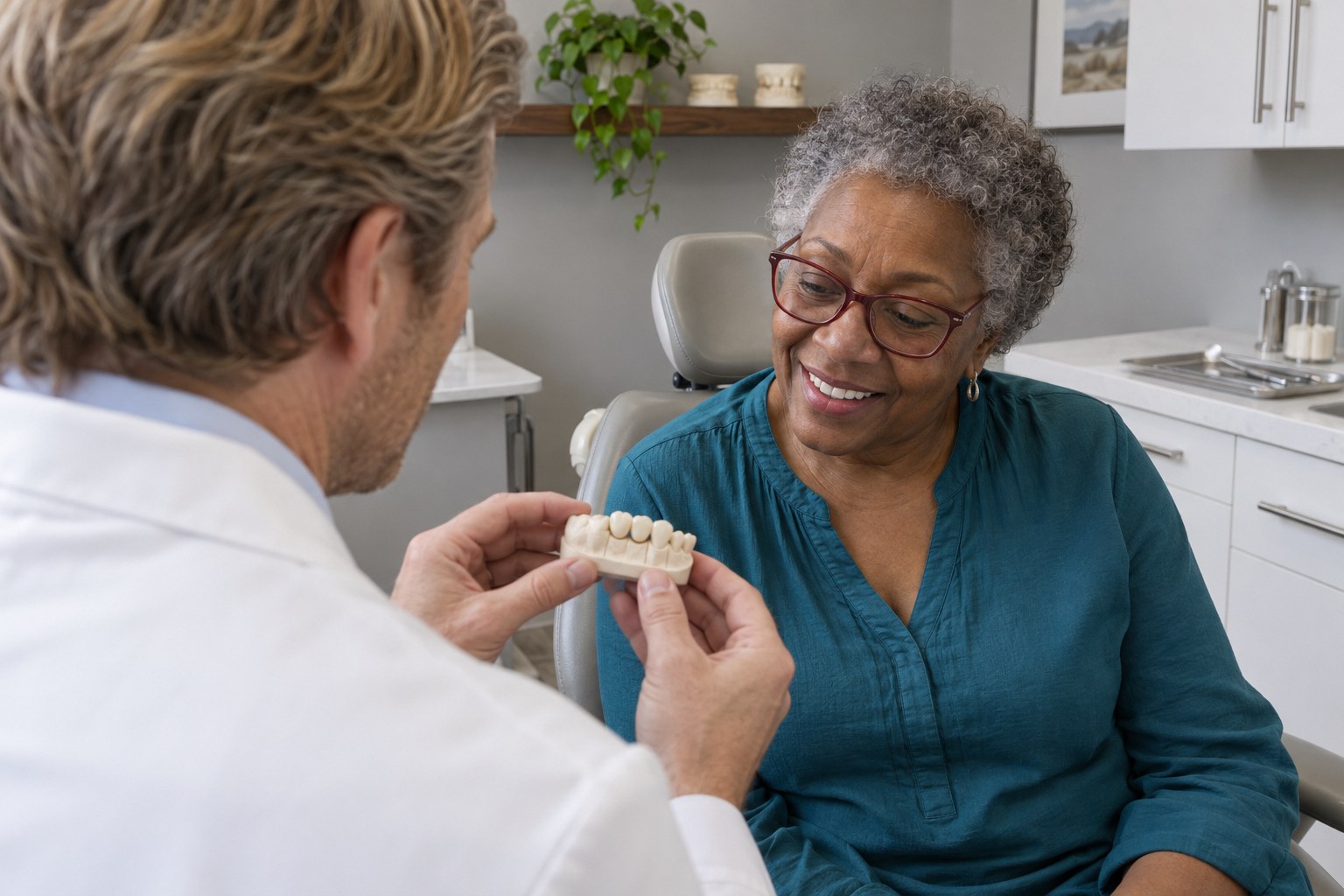
Three main types of bridges
Traditional bridges
Traditional bridges involve creating a crown for the tooth or implant on either side of the missing tooth, with a pontic in between. They are the most common type of bridge and are made of either porcelain fused to metal or ceramics.
Cantilever bridges
Cantilever bridges are used when there are adjacent teeth on only one side of the missing tooth or teeth.
Maryland bonded bridges
Maryland bonded bridges, also called resin-bonded bridges, are made of porcelain teeth and gums supported by a metal framework. Metal wings on each side of the bridge are bonded to your existing teeth.
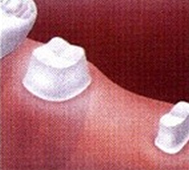
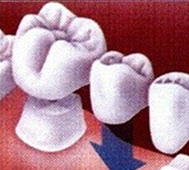
How your bridge is made
The procedure begins with preparation of the natural teeth, or abutments. We will shape the abutment teeth so that the ends of the bridge will fit comfortably on each one. The next step is to take an impression of the area. This impression will be sent to our lab, where your new restoration will be crafted. While this new tooth is created, we will provide you with a temporary restoration. Our temporary restorations will resemble your natural teeth so that you can continue with your daily life without worrying about a missing or unattractive tooth.
During your second visit to the office, we will proceed with the placement of your final restoration. This bridge will be fitted comfortably into the mouth. We will make every effort to ensure that the new bridge feels exactly like your natural teeth. The final step in the process is to cement the bridge into your mouth, leaving you with a beautifully restored smile.
Thinking about a bridge?
Call (973) 227-7110 or request an appointment
Ask us whether a bridge, an implant or a denture is the right way to replace your missing tooth.