

Regain normal function
Benefits of dental implants
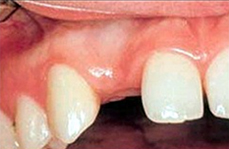
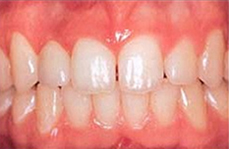
- Bonds with your existing bone
- Firm, safe support for your teeth
- Aesthetically pleasing
- No more pain talking or eating
- Prevents progressive bone atrophy
- A proven scientific basis

How implant treatment works
Placing the implant
The first step of the procedure is the surgical placement of the implant. Under regular dental anesthetic, the gum tissue is opened and the implant is placed into the jawbone, where the metal implant acts as an anchor. When this is achieved, the tissue is sutured closed and the healing phase begins.
Healing: 3 to 6 months
The implant is then left untreated for a period of 3 to 6 months. During this time, the bone grows around the implant in a process called osseointegration, bonding the implant with your existing bone. A removable crown may be used during this time to allow for chewing and to preserve the cosmetic appearance.
Abutment and final crown
Next, the top of the implant is exposed and an abutment is attached: the part of the implant that will support the final crown. Finally, an impression is taken of the implant and a final restoration is crafted. This restoration will be comfortable and cosmetically pleasing, and your completed implant will be fully functional, allowing you to resume normal activities.
Questions about dental implants
How is an implant different from a bridge or denture?
A tooth has two main sections: the root, which sits below the gumline, and the crown. A dental implant acts as the restorative for the root section. The metal implant acts as an anchor in the jawbone, and it supports the final crown on top. A bridge or a denture replaces the part of the tooth you see, while an implant also replaces the root.
Is implant placement uncomfortable?
Placement is done under regular dental anesthetic. The gum tissue is opened, the implant is placed into the jawbone, and the tissue is then sutured closed. There is not often significant discomfort with this procedure. If you are worried about it, we will take the time to talk with you about any special concerns you may have.
Will I have a tooth while the implant heals?
During the 3 to 6 months of healing, while the bone grows around the implant, a removable crown may be used to allow for chewing and to preserve the cosmetic appearance. We will let you know whether one is part of your treatment plan.
How long does implant treatment take?
Placing the implant can take from 1 to 3 hours, depending on the number of implants being placed. The implant is then left for 3 to 6 months while the bone grows around it. After that, the abutment is attached, an impression is taken and your final restoration is crafted.
What implant training does Dr. Lee have?
Dr. Lee was awarded a Fellowship with the International Congress of Oral Implantologists (ICOI) after completing a comprehensive two-year implantology program at NYU, and he maintains his ICOI membership. At Columbia University College of Dental Medicine, he received the Hanau Best of the Best Prosthodontic Award for crowns, bridges and dentures. Meet Dr. Lee
Talk with us about implants
Compare implants with bridges and dentures
Call (973) 227-7110 or request an appointment. We will take the time to talk with you about any special concerns you may have and offer realistic and honest options for your smile.